
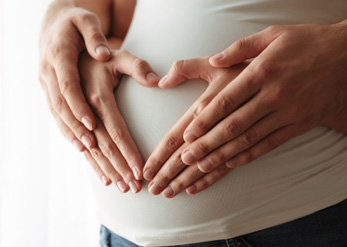
Your Period Is More Than a Monthly Event
A menstrual cycle is not just a monthly occurrence.
It reflects hormonal balance, ovarian function, and uterine health.
Many women believe their cycle is “normal,” but subtle irregularities may impact fertility.
What Is Considered a Normal Period?
A clinically normal cycle includes:
-
Cycle length: 21–35 days
-
Duration: 3–7 days
-
Flow: 30–80 mL
-
Pattern: Consistent and regular
The key is not a perfect 28-day cycle, but consistency over time.
The Link Between Your Cycle and Fertility
Your period reflects a coordinated biological process:
-
Ovulation
-
Hormonal signaling
-
Endometrial preparation
Potential concerns include:
-
Irregular cycles → ovulation dysfunction
-
Short cycles (<25 days) → possible reduced ovarian reserve
-
Abnormal bleeding → uterine environment issues
These factors may affect implantation and overall fertility potential.
Cycle Length and Ovarian Function
Research suggests that:
Short cycles (<25 days) may be associated with:
-
Reduced ovarian function
-
Increased risk of early menopause
-
Lower fertility potential
Additionally, Cycles around 30–31 days with 4–5 days of flow
have been associated with better fertility outcomes.
Why Cycle Health Matters Before IVF
IVF directly assists fertilization,
but it does not fully replace the body’s internal environment.
Your menstrual cycle reflects:
-
Egg quality
-
Endometrial receptivity
-
Hormonal balance
Suboptimal cycles may reflect less-than-ideal conditions for IVF preparation.
The Role of Integrative Care
Integrative care is not a replacement for IVF.
It is an adjunct therapy focused on optimizing the body.
Key goals include:
-
Improving uterine and ovarian blood flow
-
Regulating stress response
-
Supporting hormonal balance
This approach may support patients before, during, and after IVF treatment.
Who May Benefit
Integrative support may be helpful for:
-
Irregular cycles
-
Repeated IVF cycles
-
Poor ovarian response
-
High stress levels
Collaborative Care Approach
At Acupia Wellness, we work alongside fertility specialists.
-
We do not replace IVF
-
We complement medical treatment
-
We support a team-based approach
Your menstrual cycle is a key indicator of -> overall health and fertility.
Even subtle changes -> may influence reproductive outcomes.
So how do these signals from your menstrual cycle actually connect to ovarian function?
In the next article, we’ll take a closer look using AMH, a key hormone that helps estimate your remaining egg supply.
Acupia Wellness
At Acupia Wellness,
we specialize in integrative fertility care designed to support patients undergoing IVF.
We focus on optimizing the body before, during, and after fertility treatment.


